A Houston attic can get far hotter than the air outside, and humid air trapped up there feeds damp insulation and tired shingles. A roofer can check whether cool air has a way in low and hot air a way out high. Call the number on this page to be connected with a local roofing contractor in Baytown.
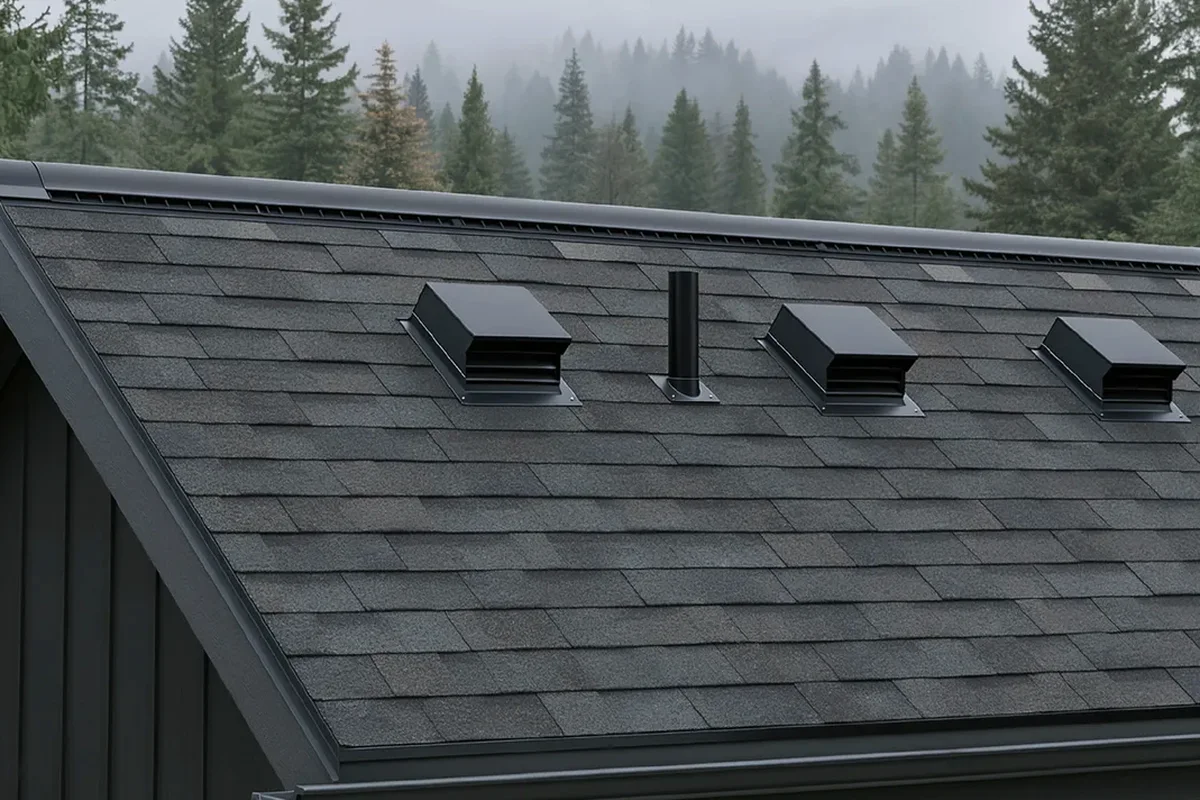
Signs the attic is not breathing
Stand in the attic doorway with a flashlight and look. Rusty nail tips poking through the decking, darkened wood, damp or clumped insulation, and air that feels like a sauna all suggest trapped heat and moisture. Ceilings upstairs that stay warm long after sunset point the same way.
Attic additions and remodels
Bonus rooms, dormers and new roof lines often cut off the old airflow path. Part of the attic may sit sealed with no intake or exhaust at all. Houses that were remodeled over the years often have these pockets, and a roofer can map where the air actually goes.
Houses built in the 1980s around Baytown may have original roof vents, patched soffits and later insulation piled over them, so a roofer will look at the entire airflow path.
Wind-driven rain off Galveston Bay can reach vent openings in Baytown, which is why storm-rated caps and tight flashing are worth asking about.
Electric versus passive
Power vents cost more to buy, need wiring, and use electricity, but some homes with awkward roof shapes rely on them. Passive vents have no motor to fail. A roofer can explain which the house suits, and what a thermostat or humidity control adds.
Permits, weather and roofs in Baytown
Permit note from the City of Baytown building services office: Replacing roof shingles alone does not need a permit, but installing, replacing or repairing roof decking does.
The Texas Department of Insurance advises reading every page before you sign, never signing with blanks, and being wary of a large down payment.
Part of Baytown falls in the TDI windstorm inspection area; if your address is inside it, reroofs and roof repairs need a windstorm inspection.
Homes near Galveston Bay around Baytown take more wind and salt air, which wears metal flashing and fasteners faster.
Hurricane season runs June 1 through November 30. Lifted tabs, loose ridge caps and missing shingles are worth a look after any strong blow.
Much of the housing in Baytown dates to the 1980s or earlier, so a tear-off can uncover older layers or plank decking that need extra work.
Nearby, the same kind of help is available in Highlands, La Porte and Channelview.
Questions worth asking
- How much intake and exhaust does this attic need?
- Will the existing vents stay or go?
- How will the new vent be flashed?
- Do baffles go in?
- What does the shingle maker require?
Hurricane season prep
Before storm season, make sure ridge caps and box vents are firmly fastened and that no turbine looks loose or bent. Wind-driven rain can enter through damaged vents. Report anything that looks off from the ground to a roofer rather than checking by hand.
Roof Ventilation questions in Baytown
Should the bathroom fan vent into the attic?
Will new vents lower my power bill?
Can a power vent replace a ridge vent?
Will adding vents cause leaks?
More roofing services in Baytown
Roof Ventilation nearby
Helpful guides
Sources
Last updated: